Best Robot Lawn Mower
This list is for anyone choosing a robot mower in 2026 who wants the top-scoring models in one place, whatever the yard. The factor that matters most is how the mower finds its way: RTK satellite, LiDAR, or a mix of both. Pick the navigation that suits your trees and buildings first, then pick the size.
Our pick is the Segway Navimow X450. The Segway Navimow X450 is a RTK + camera, wire-free robot mower rated for 6,070 m² and 84% slopes. Its strongest category is terrain.
The rule: Every indexable mower in the catalog. Sorted by overall score, top 10. Updated October 2026.
See this season's robot mower deals
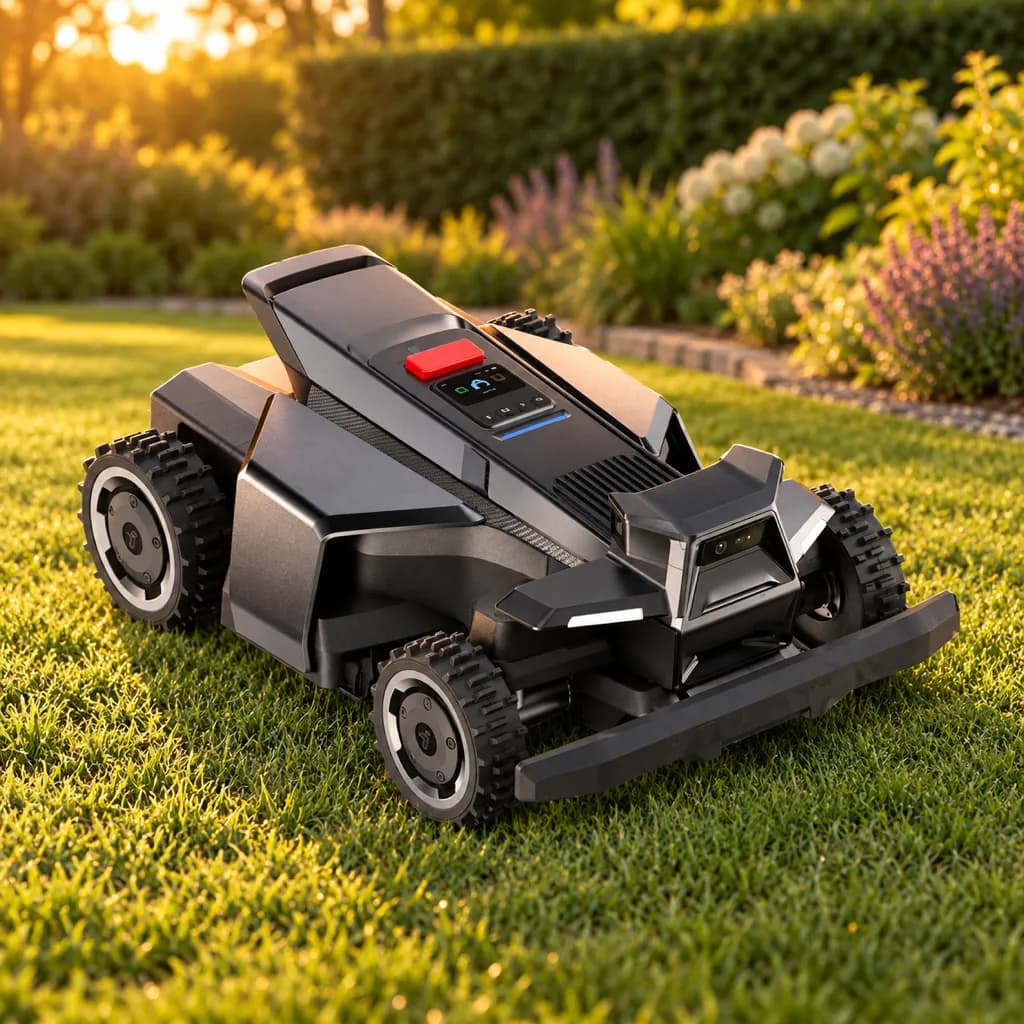 Illustration
1Segway Navimow X450
6,070 m² · 84% slope · RTK + camera
You want no perimeter wire to bury or repair.
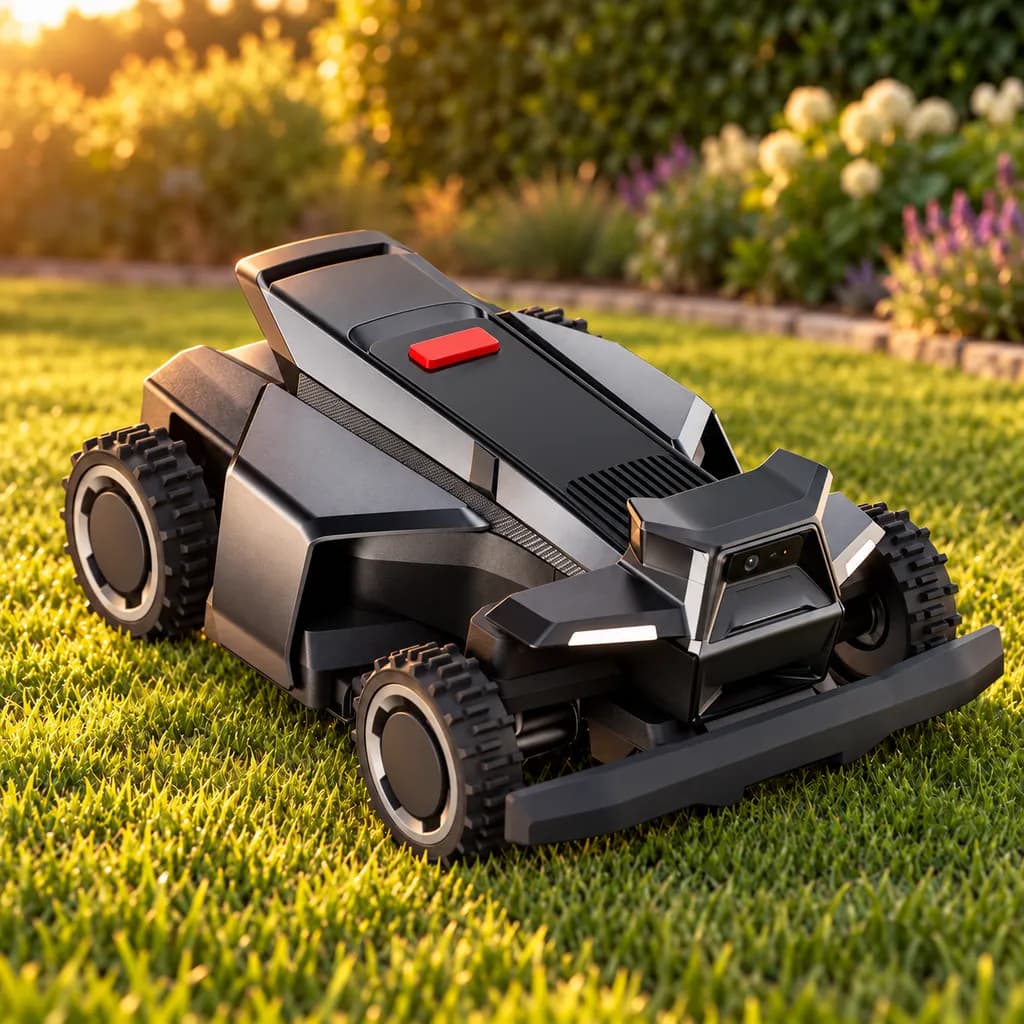 Illustration
2Segway Navimow X430
4,047 m² · 84% slope · RTK + camera
You want no perimeter wire to bury or repair.
 Illustration
 Illustration
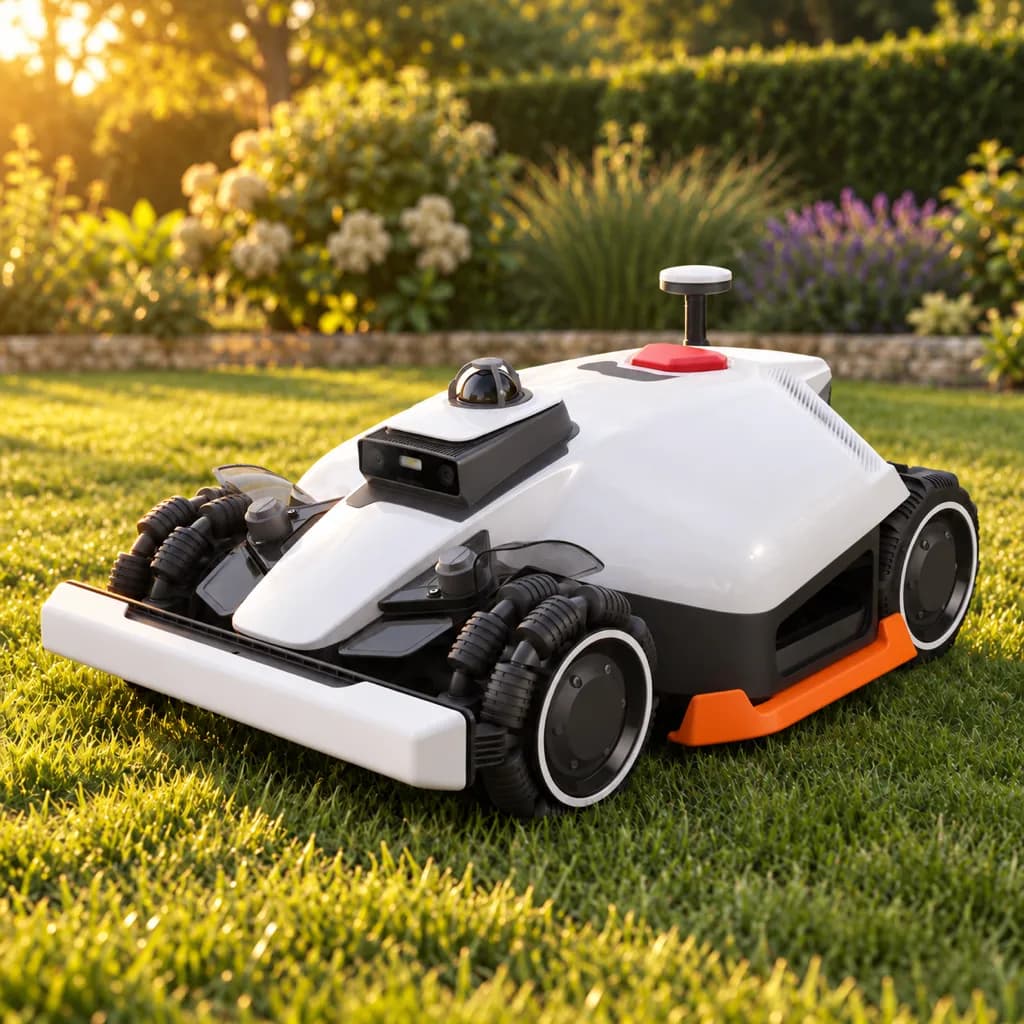 Illustration
5Mammotion LUBA 3 AWD 5000
5,000 m² · 80% slope · LiDAR + RTK
You want no perimeter wire to bury or repair.
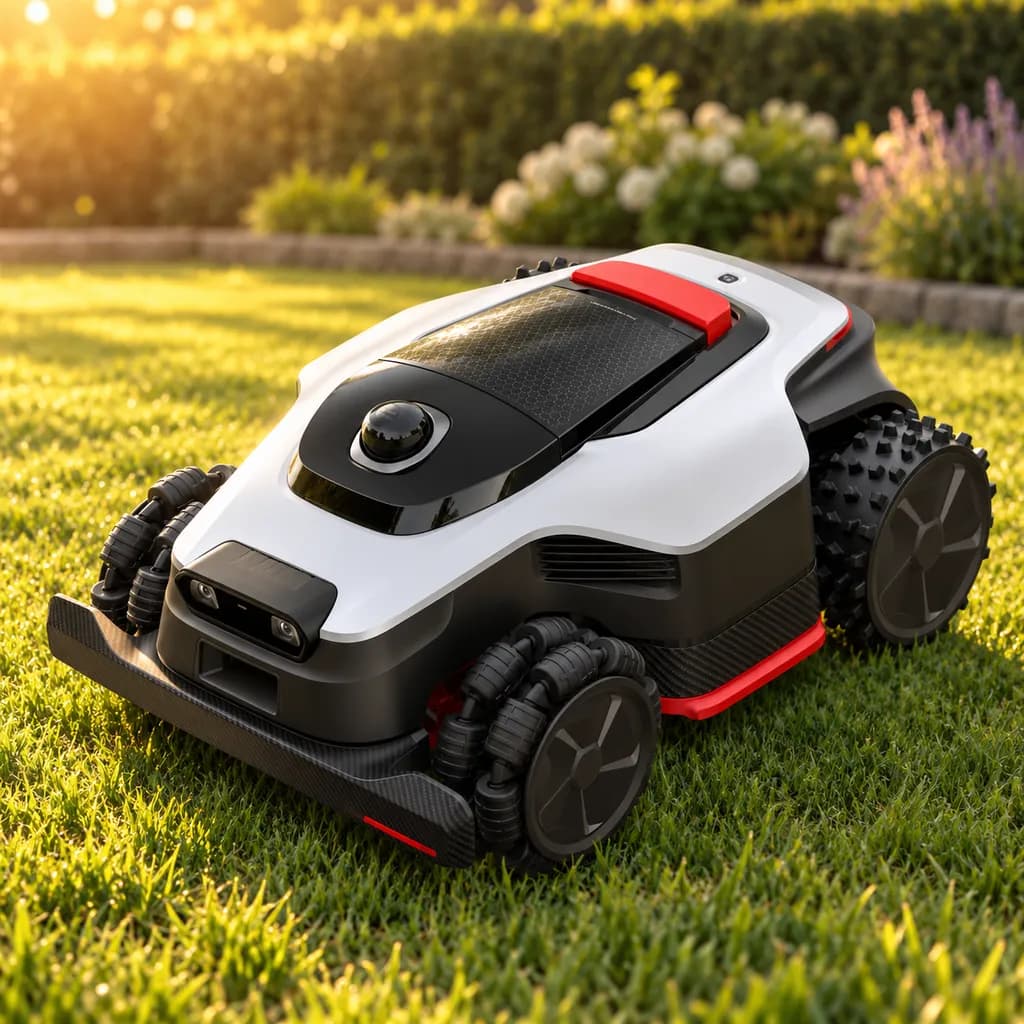 Illustration
 Illustration
 Illustration
 Illustration
9Mammotion LUBA 2 AWD 5000X
5,000 m² · 80% slope · RTK + camera
You want no perimeter wire to bury or repair.
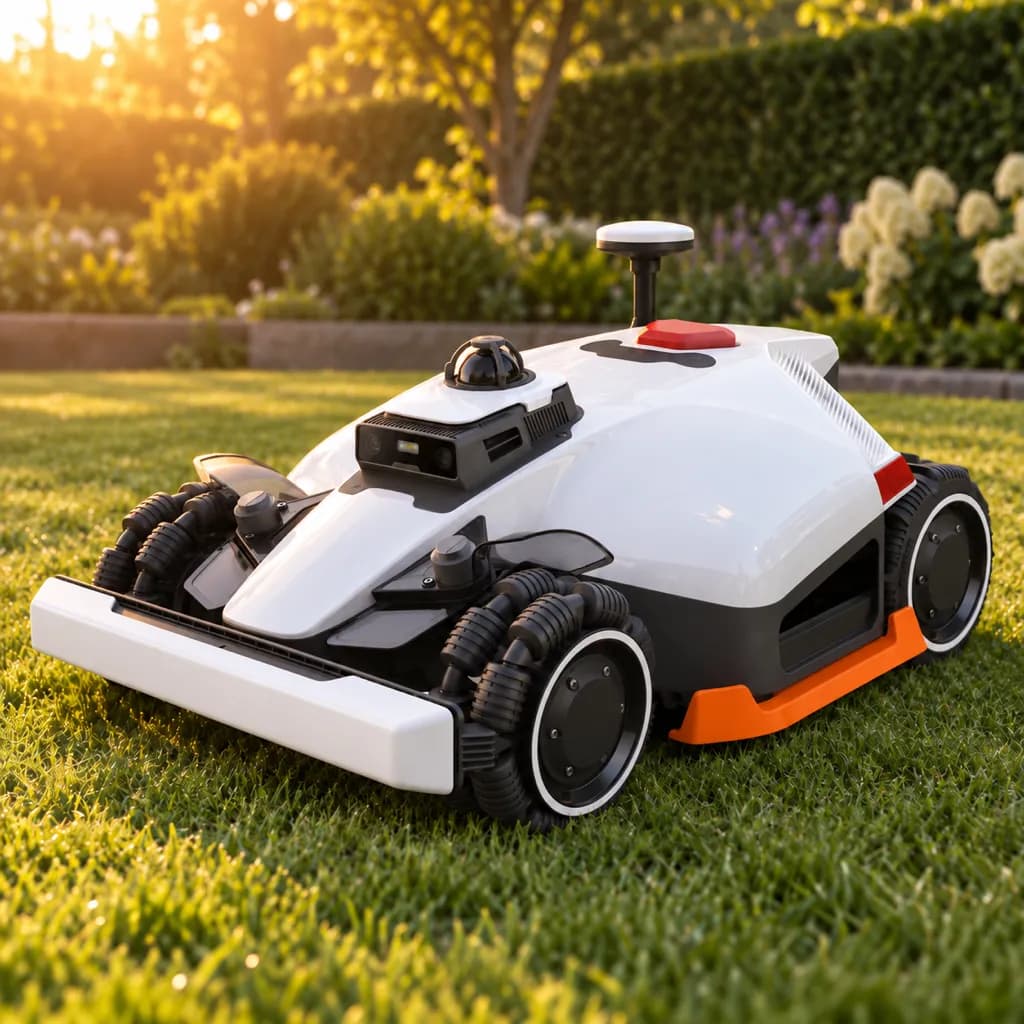 Illustration
10Mammotion LUBA 3 AWD 3000
3,000 m² · 80% slope · LiDAR + RTK
You want no perimeter wire to bury or repair.
What the top 10 have in common
Every mower in this top 10 is wire-free, and every one has all-wheel drive, four-wheel drive, or tracks. Every one is also rated for slopes of 80% or more. Buried perimeter wire and rear-wheel-only drive no longer make the top of the list.
That shifts your decision. You no longer choose between wire and no wire at this level. You choose between navigation systems, and you choose how much lawn you need to cover. The spread is wide, from the Dreame A3 AWD 2000 at 2,000 m² to the Lymow One Plus at 7,001 m².
Choose navigation by how much open sky you have
If most of your lawn sits under open sky, RTK works well. If big trees or a tall house shade much of it, a LiDAR model is the safer bet. RTK reads satellite signals, and trees block, weaken, and bounce those signals. When the mower loses a clean fix, it can pause, slow down, mow unevenly, or struggle to dock.
Mammotion's own setup guide says it does not recommend its RTK mowers for lawns where tall walls or trees cover more than 30% of the area. It also asks for at least a 90 degree view of open sky for both the mower and the reference station. That is a useful test for any RTK model, not only Mammotion's.
On this list, the Segway Navimow X450 and X430 pair RTK with a camera. The Dreame A3 AWD Pro 3500 uses LiDAR, which suits yards where trees or buildings block satellite signal. The Mammotion LUBA 3 AWD 5000 combines LiDAR and RTK and needs an RTK antenna, so skip it if you can't mount one with a clear view of the sky.
Size from the grass you mow, not your lot
Measure only the turf. Subtract the house, driveway, patio, and garden beds from your lot size, and compare what is left with the mower's rated area. A half-acre lot often holds well under half an acre of grass.
Then add headroom. The rated area assumes good conditions, and trees, slopes, and awkward borders eat into it. One large-lawn guide puts the loss at 20 to 30% on a yard with mature trees and advises buying 1.3 to 1.5 times your real lawn area. For 2,000 m² of turf, that means a mower rated for about 2,600 to 3,000 m² (2,000 x 1.3 = 2,600; 2,000 x 1.5 = 3,000).
Rated area and daily area are also different numbers. Max area is what the mower can cover across several sessions. Daily coverage is what it finishes in one day after charging breaks.
Slope ratings need a margin too
Treat a slope rating as a ceiling, not a promise. Slopes are listed in percent grade, so 80% is about 39 degrees and 100% is 45 degrees. The Lymow One Plus is rated for 100% on tracks, the two Segway models for 84%, and the Dreame and Mammotion models for 80%.
Wet grass and shade cut traction. One lawn-care pro quoted in a 2026 buyer's guide tells clients to knock 10 degrees off whatever the maker claims, and says problems often start above about 25% grade. If your steepest bank is close to a mower's limit, move up a model.
How this ranking works
This page includes every indexable mower in the catalog and shows the top 10 by overall score. The score comes from published specs and owner reports, not hands-on testing. The Segway Navimow X450 leads at 8.9, rated for 6,070 m² and 84% slopes.
A higher score does not make a mower right for you. A mower ranked eighth may be the better buy if its size and navigation fit your yard. Use the buy-if and skip-if lines on each card to filter the list, then compare the two or three that remain.
Questions people ask
Are robot lawn mowers worth it?
They are worth it if you have a fairly open lawn and want to stop mowing every week. You still trim the edges yourself, because robots leave an uncut strip along borders. Expect to cut the first long growth of the season with a regular mower, since robots struggle with tall grass.
Do robot mowers still need a boundary wire?
Not at the top of the market. Every mower in this top 10 is wire-free and uses RTK satellite positioning, LiDAR, cameras, or a combination. Wired models still exist, mostly at lower prices, and some guides still suggest them for heavily shaded yards.
Is RTK or LiDAR better for a robot mower?
RTK is the better fit for open lawns with a clear view of the sky. LiDAR is the better fit when trees or buildings block satellite signal, because it maps the yard with its own sensor. Hybrid models such as the Mammotion LUBA 3 AWD 5000 use both.
Do robot mowers cut right up to the edge?
Usually not. Robots with either a boundary wire or satellite navigation tend to leave a narrow uncut strip along fences, beds, and walls. Plan on a quick pass with a string trimmer.
How long do robot lawn mowers last?
A well-maintained quality model can last 5 to 10 years, according to one 2026 buyer's guide. The small blades wear much faster and usually need replacing every 1 to 3 months.
What size robot mower do I need?
Measure your actual grass area, not your lot, and buy a mower rated for 1.3 to 1.5 times that figure. The extra capacity covers time lost to trees, slopes, and complex borders.