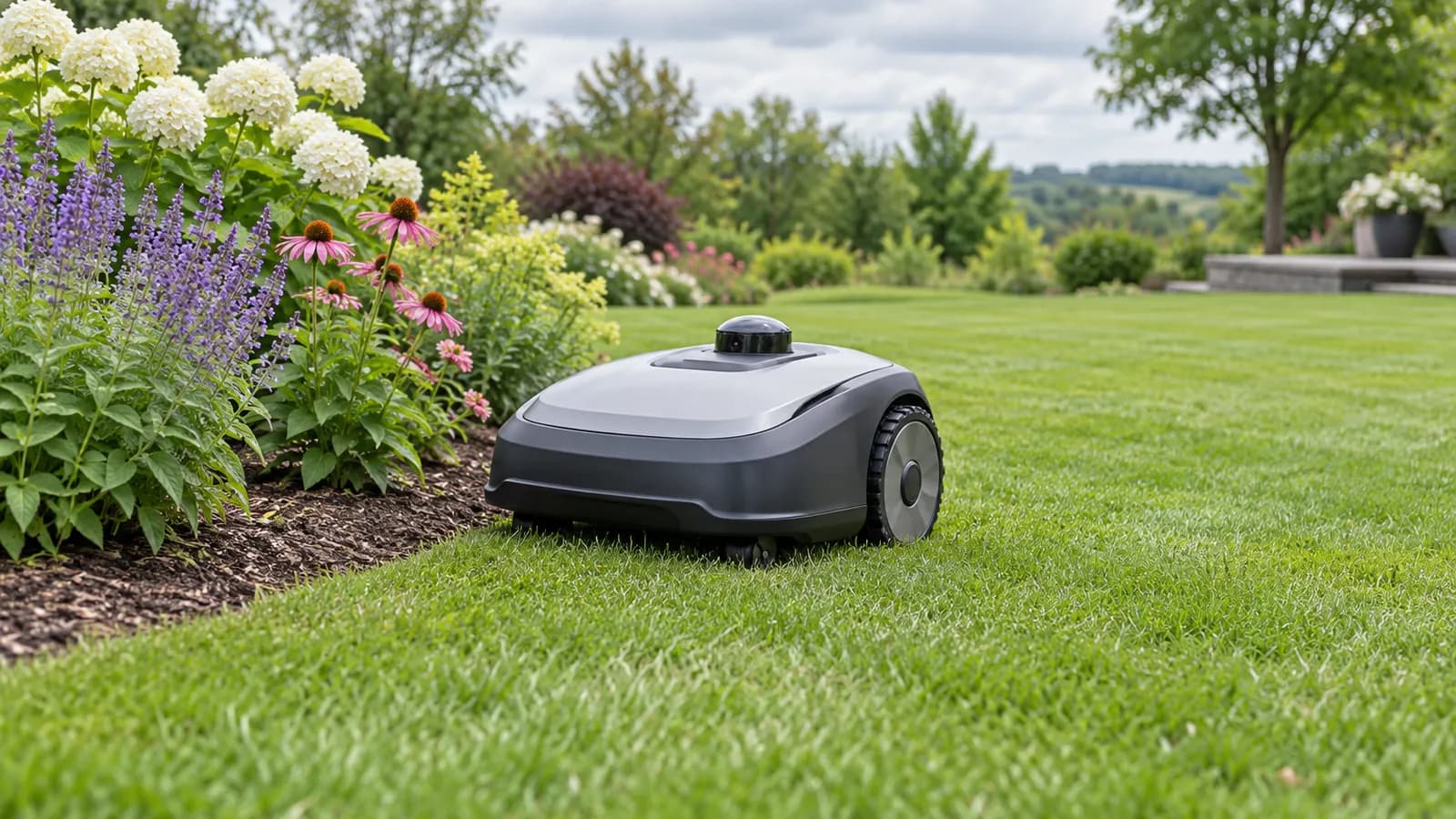
Best Robot Lawn Mower Without Boundary Wire
This list is for you if you want a robot mower that maps your lawn on its own, with no wire to bury, splice or repair. The factor that matters most is how much open sky your yard has, because that decides whether you need RTK satellite positioning, LiDAR, or a mower that combines both.
Our pick is the Segway Navimow X450. The Segway Navimow X450 is a RTK + camera, wire-free robot mower rated for 6,070 m² and 84% slopes. Its strongest category is terrain.
The rule: No perimeter wire needed. Sorted by overall score. Updated October 2026.
See this season's robot mower deals
 Illustration
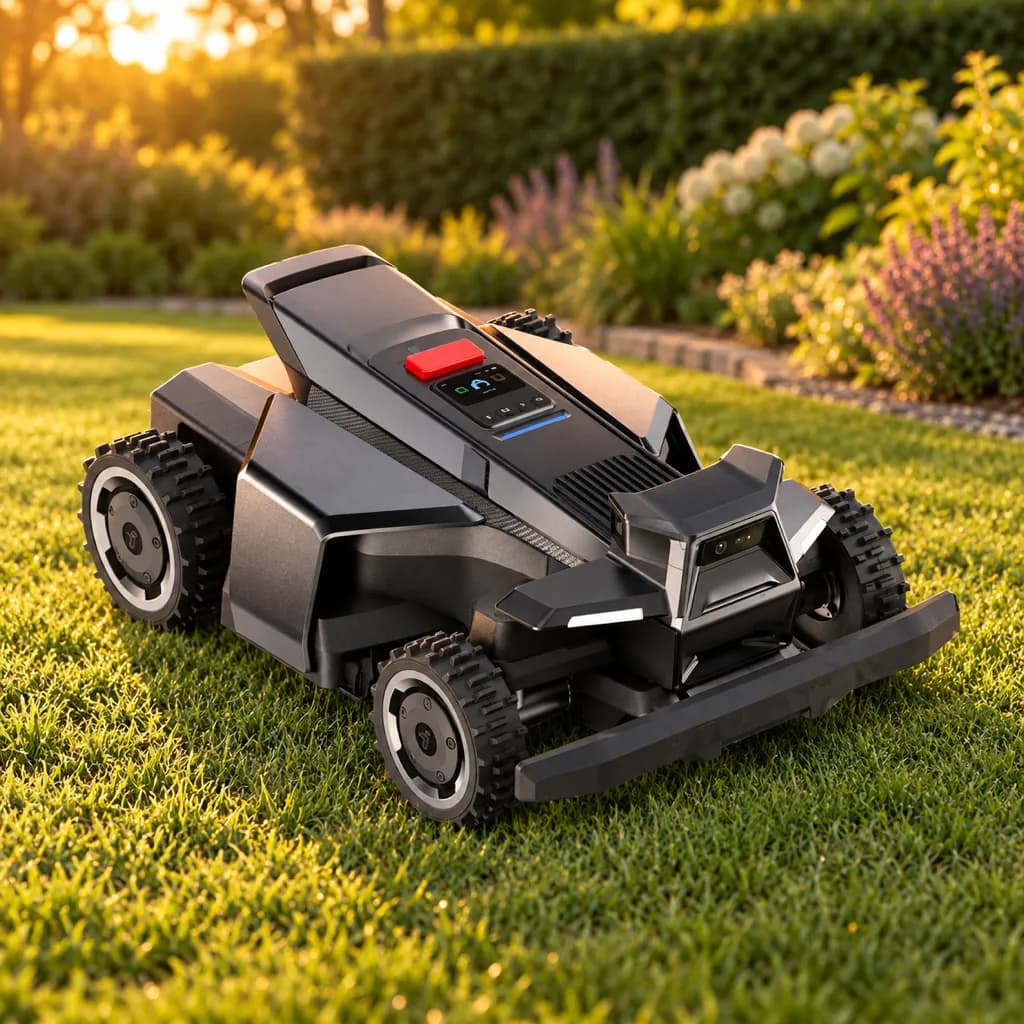
1Segway Navimow X450
6,070 m² · 84% slope · RTK + camera
You want no perimeter wire to bury or repair.
 Illustration
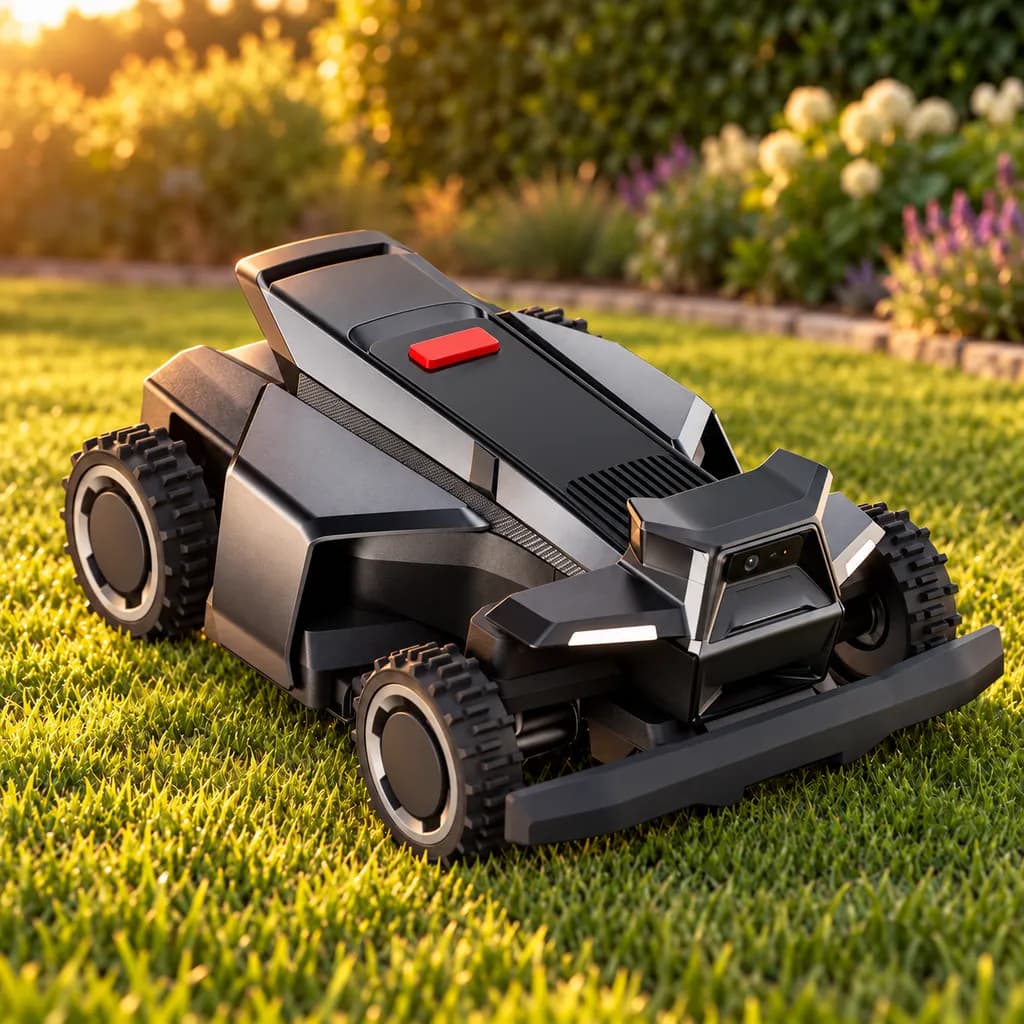
2Segway Navimow X430
4,047 m² · 84% slope · RTK + camera
You want no perimeter wire to bury or repair.
 Illustration
 Illustration
 Illustration
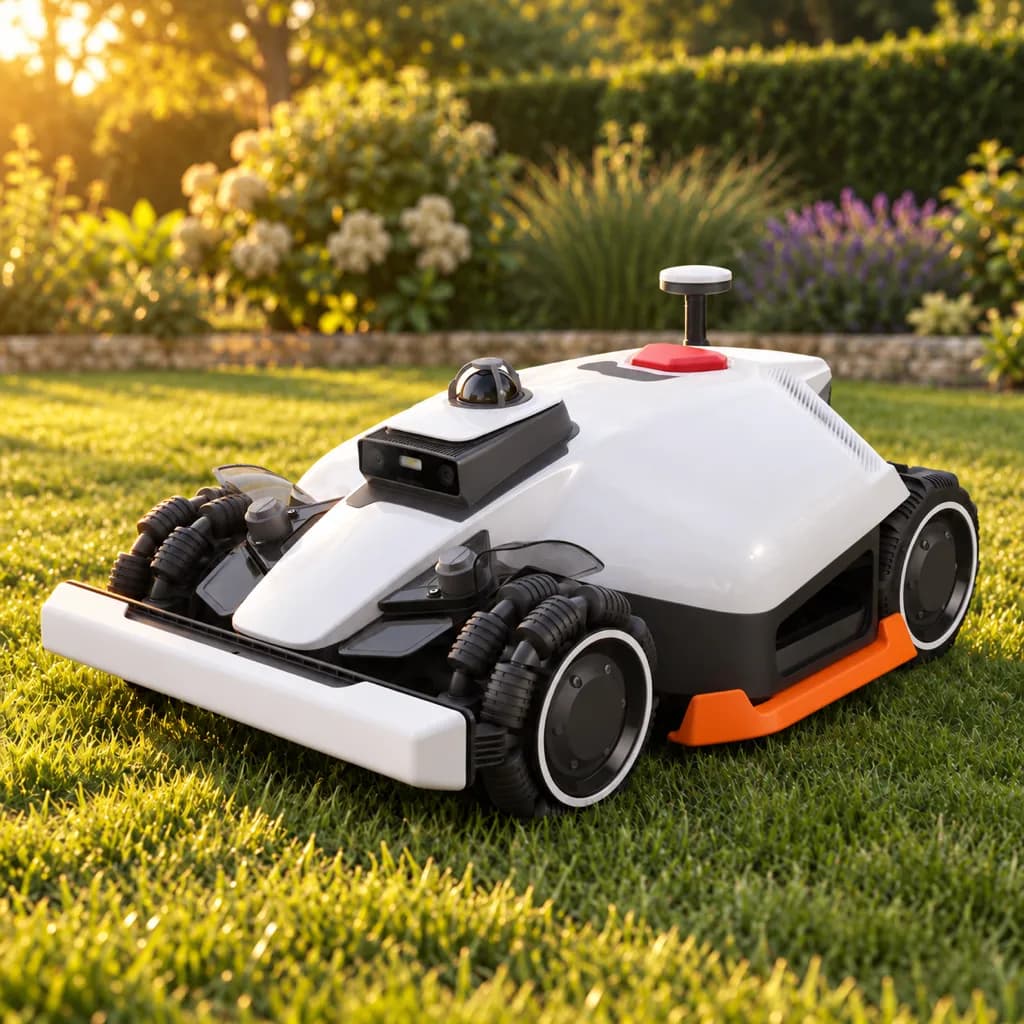
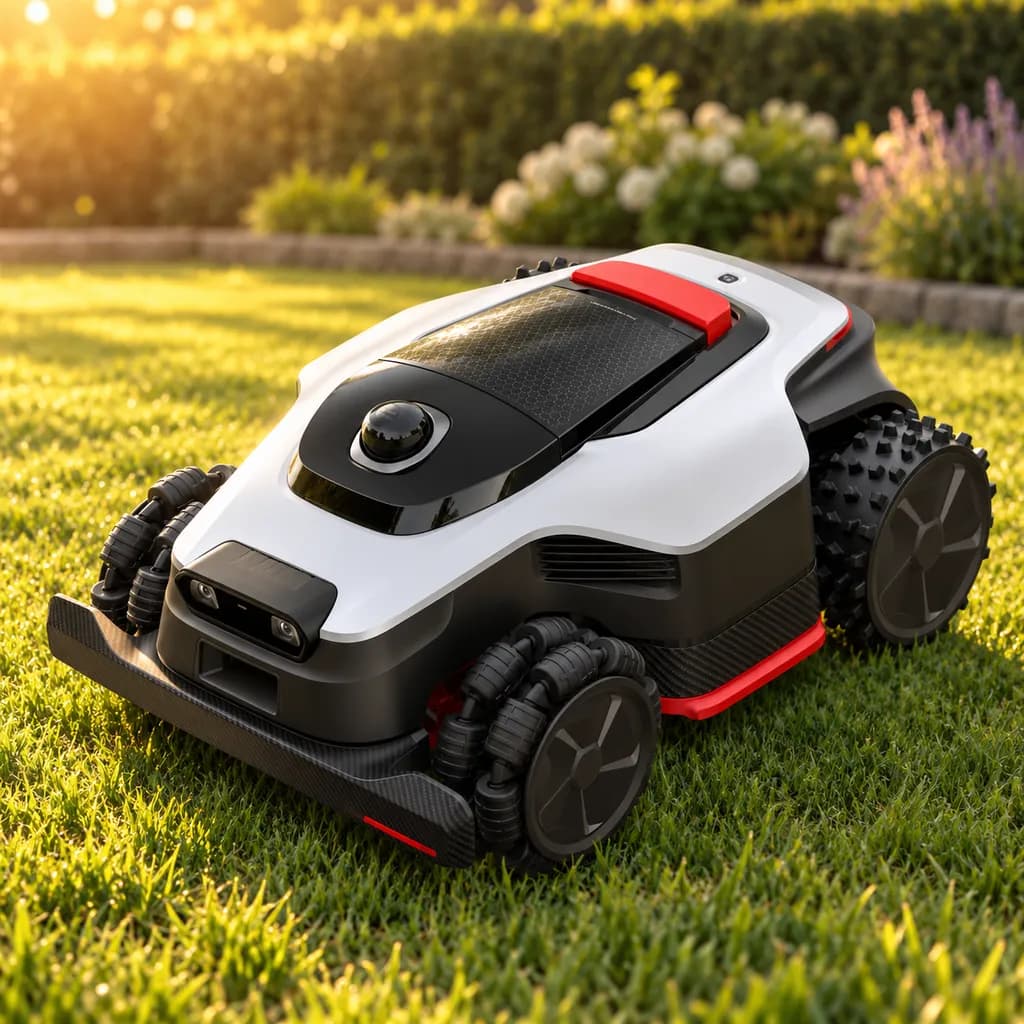
5Mammotion LUBA 3 AWD 5000
5,000 m² · 80% slope · LiDAR + RTK
You want no perimeter wire to bury or repair.
 Illustration
 Illustration
 Illustration
 Illustration
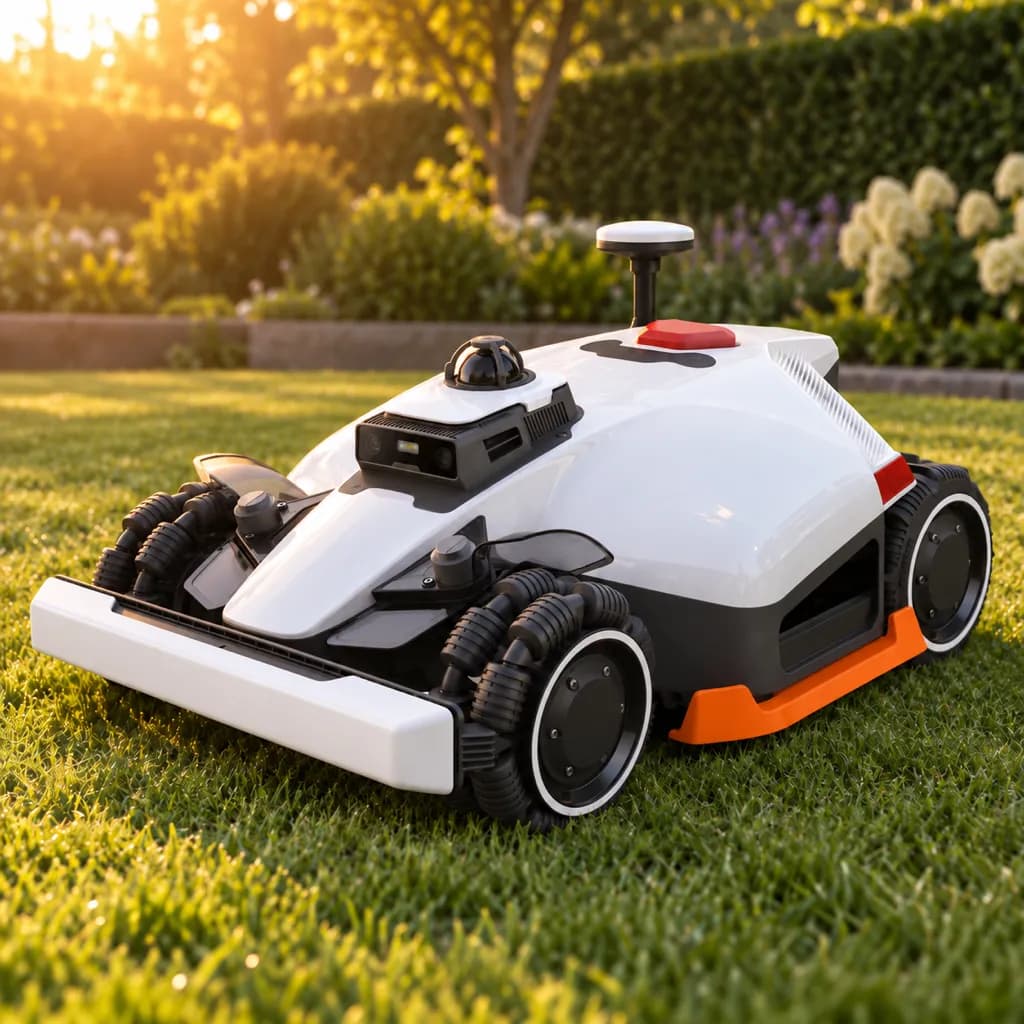
9Mammotion LUBA 2 AWD 5000X
5,000 m² · 80% slope · RTK + camera
You want no perimeter wire to bury or repair.
 Illustration
10Mammotion LUBA 3 AWD 3000
3,000 m² · 80% slope · LiDAR + RTK
You want no perimeter wire to bury or repair.
 Illustration
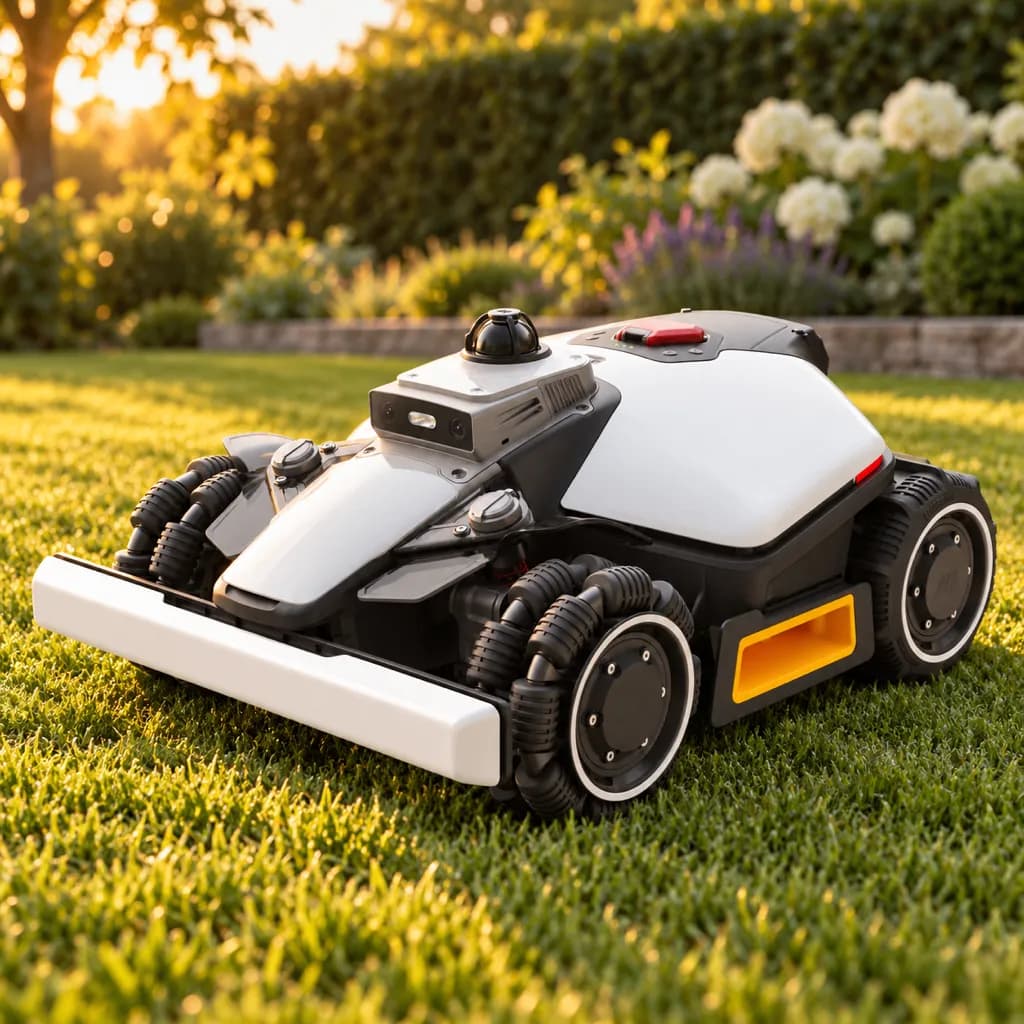
11Mammotion LUBA mini AWD LiDAR 1500
1,500 m² · 80% slope · LiDAR
You want no perimeter wire to bury or repair.
 Illustration
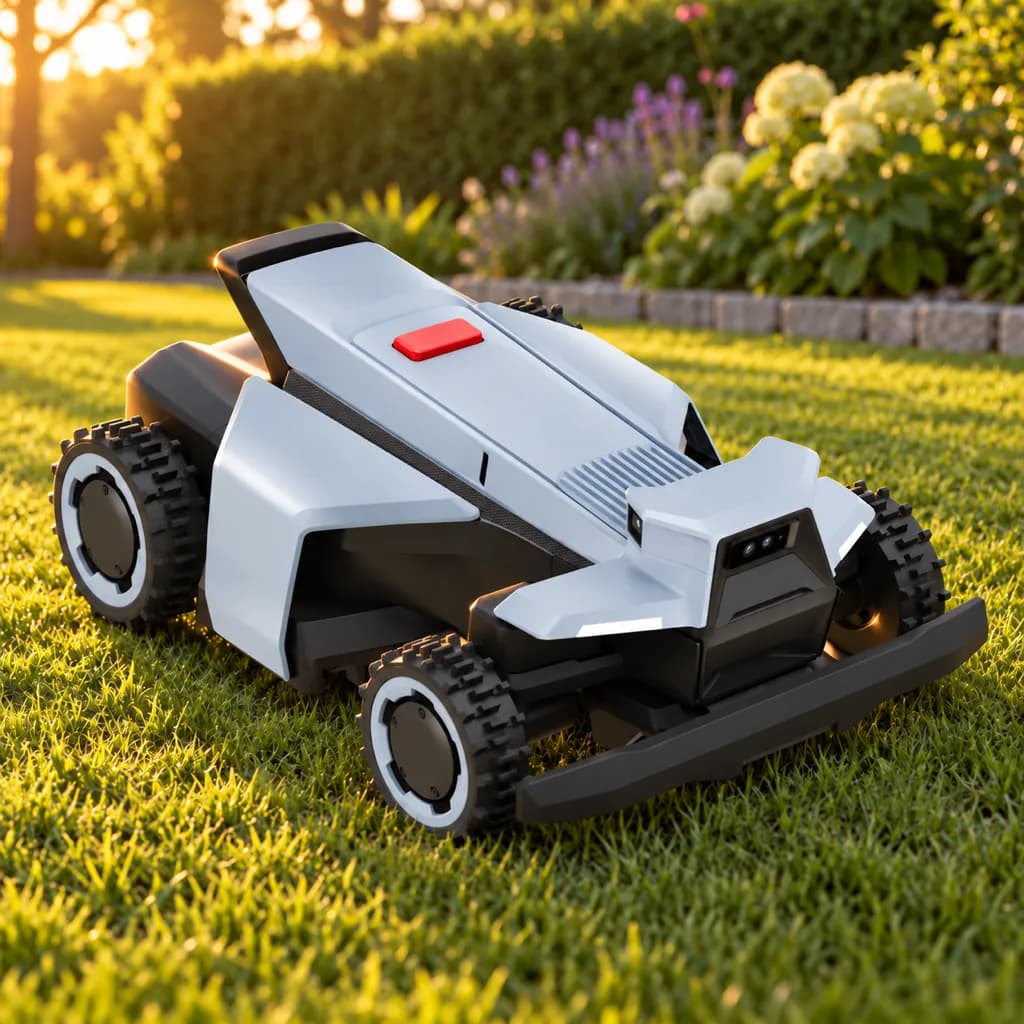
12Mammotion LUBA mini 2 AWD 1500
1,500 m² · 80% slope · LiDAR
You want no perimeter wire to bury or repair.
 Illustration
13Segway Navimow X420
2,000 m² · 84% slope · RTK + camera
You want no perimeter wire to bury or repair.
 Illustration
14Sunseeker X7 Plus Gen 2
6,070 m² · 70% slope · RTK + camera
You want no perimeter wire to bury or repair.
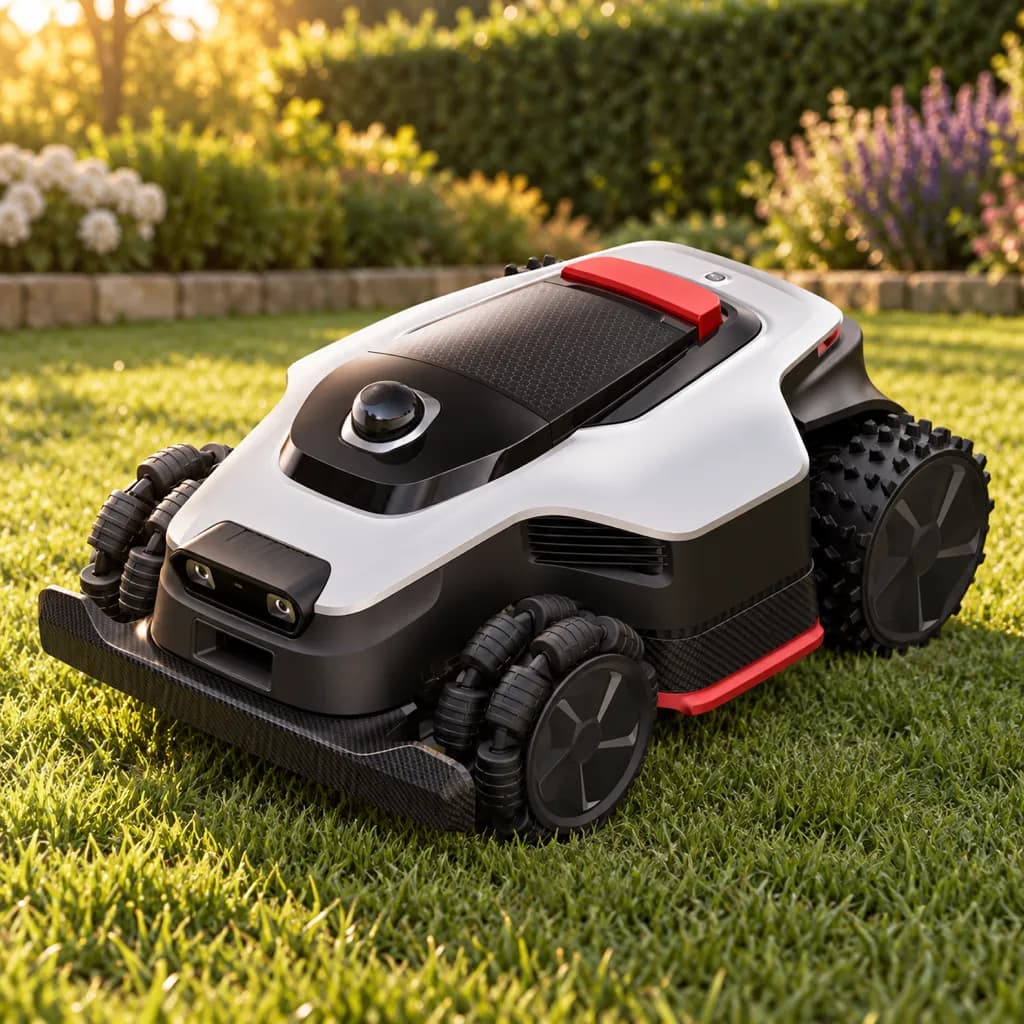 Illustration
RTK, LiDAR or both: pick by how open your yard is
Choose RTK if most of your lawn sits under open sky, and choose LiDAR if trees, walls or tight side yards cover a lot of it. RTK gives the most accurate absolute position and the straightest lines, but it depends on a clear view of satellites. LiDAR measures the shapes around the mower with a laser, so it keeps working in shade and low light, though it has no global position of its own.
Camera vision usually rides along with either system. It helps the mower recognize obstacles, but on its own it is sensitive to lighting, shadows and weather. On this page, six mowers pair a camera with RTK, two pair LiDAR with RTK, and the other seven use LiDAR alone.
On this list the Segway Navimow X450 and X430 use RTK plus a camera. The Dreame A3 AWD Pro 3500 and A3 AWD 1000 use LiDAR, and both are flagged as a fit for yards where trees or buildings block satellite signal. The Mammotion LUBA 3 AWD 5000 uses LiDAR plus RTK, which gives it a fallback when one system struggles.
What breaks wire-free navigation
Tree canopy, tall walls and narrow passages cause most problems for satellite-guided mowers. Leaves and branches block or weaken the signal, and metal, glass and walls can bounce it, which makes the mower misjudge where it is. Dense summer foliage and wet leaves make this worse, so a yard that maps fine in April can act up in July.
Mammotion publishes its own limits for its RTK mowers. It does not recommend them for lawns where tall walls or trees cover more than 30% of the lawn, where tall trees or walls line more than 50% of the boundary, or where narrow lanes under 3 m wide make up more than 30% of the lawn. Those numbers make a useful test for any RTK mower before you buy.
When the signal degrades, the usual symptoms are pausing and restarting, narrow strips of uncut grass under trees, and trouble docking. A mower with a second navigation source, such as vision or LiDAR, can often keep going through a weak patch instead of stopping.
Where to put the RTK base station
Mount the base station high, stable and in the most open spot you have. A roof edge or a pole works better than a fence post, and the antenna needs to stay clear of branches, sheds, metal roofs and large glass walls. Mammotion asks for at least a 90 degree open-sky view for both the mower and the station.
Pick the spot before you map, then leave it there. Moving the base shifts the reference point, which shifts every boundary you drew. Some models can use network RTK instead of a base in your yard, but that needs Wi-Fi or 4G across the whole lawn and a reference station near your address.
On this list, the Mammotion LUBA 3 AWD 5000 and the Lymow One Plus are listed with an RTK base. If you have no good mounting point with open sky, look at the LiDAR models first.
Match the mower to your lawn size and slope
Start with your mowable area, then check the slope rating, then compare prices. The Dreame A3 AWD 1000 is rated for 1,000 m², about a quarter acre. The Dreame A3 AWD Pro 3500 covers 3,500 m².
For an acre or more, the Navimow X430 is rated for 4,047 m² (1.00 acre), and the X450 for 6,070 m² (1.50 acre). Both are rated for 84% slopes. The Lymow One Plus is the outlier: it runs on tracks, is rated for 7,001 m² and 100% slopes.
If noise matters, the LUBA 3 AWD 5000 is listed at 56 dB, against 68 dB for the Navimow X450.
How this list is ranked
Every mower here needs no perimeter wire. The list is sorted by overall score, which comes from published specs and owner reports across categories such as terrain, navigation and coverage, and setup.
Questions people ask
Do wire-free robot mowers work under trees?
RTK mowers can lose accuracy or pause under dense canopy because leaves block and reflect satellite signals. LiDAR mowers do not rely on satellites, so they handle shade and tree cover better. If more than about 30% of your lawn sits under trees or beside tall walls, start with a LiDAR model or one that combines LiDAR and RTK.
Do I need an RTK base station for a mower without a boundary wire?
Only for RTK models that use a local base. LiDAR-only mowers, such as the Dreame A3 AWD series on this list, need no base. Some RTK mowers can use network RTK instead, which needs Wi-Fi or 4G coverage across the lawn and a reference station near you.
Is LiDAR better than RTK for a robot mower?
LiDAR is better in shade, near buildings and in tight spaces. RTK is better on wide, open lawns, where it gives the most accurate position and the straightest lines. Mowers that combine the two, such as the Mammotion LUBA 3 AWD 5000, aim to cover both cases.
What happens when a GPS robot mower loses signal?
It usually pauses and tries to reacquire the signal, and some models drive back to an open area to recover. You may see missed strips under trees or trouble docking. A second navigation source, like a camera or LiDAR, helps it keep working through short dropouts.
Do wire-free robot mowers need an internet subscription?
Most mow without one, but connected features can cost money after the first year. Segway's Navimow Access+ 4G module, for example, includes one year of 4G service, then costs $32.90 per year. Network RTK also needs Wi-Fi or 4G coverage across your lawn.
What is the cheapest robot mower without a boundary wire on this list?
The Dreame A3 AWD 1000, rated for 1,000 m² and 80% slopes, sat at the low end of this list at our last price check. If your budget is under $1,000, see the under-$1,000 list, where every pick is also wire-free but rated for smaller lawns.